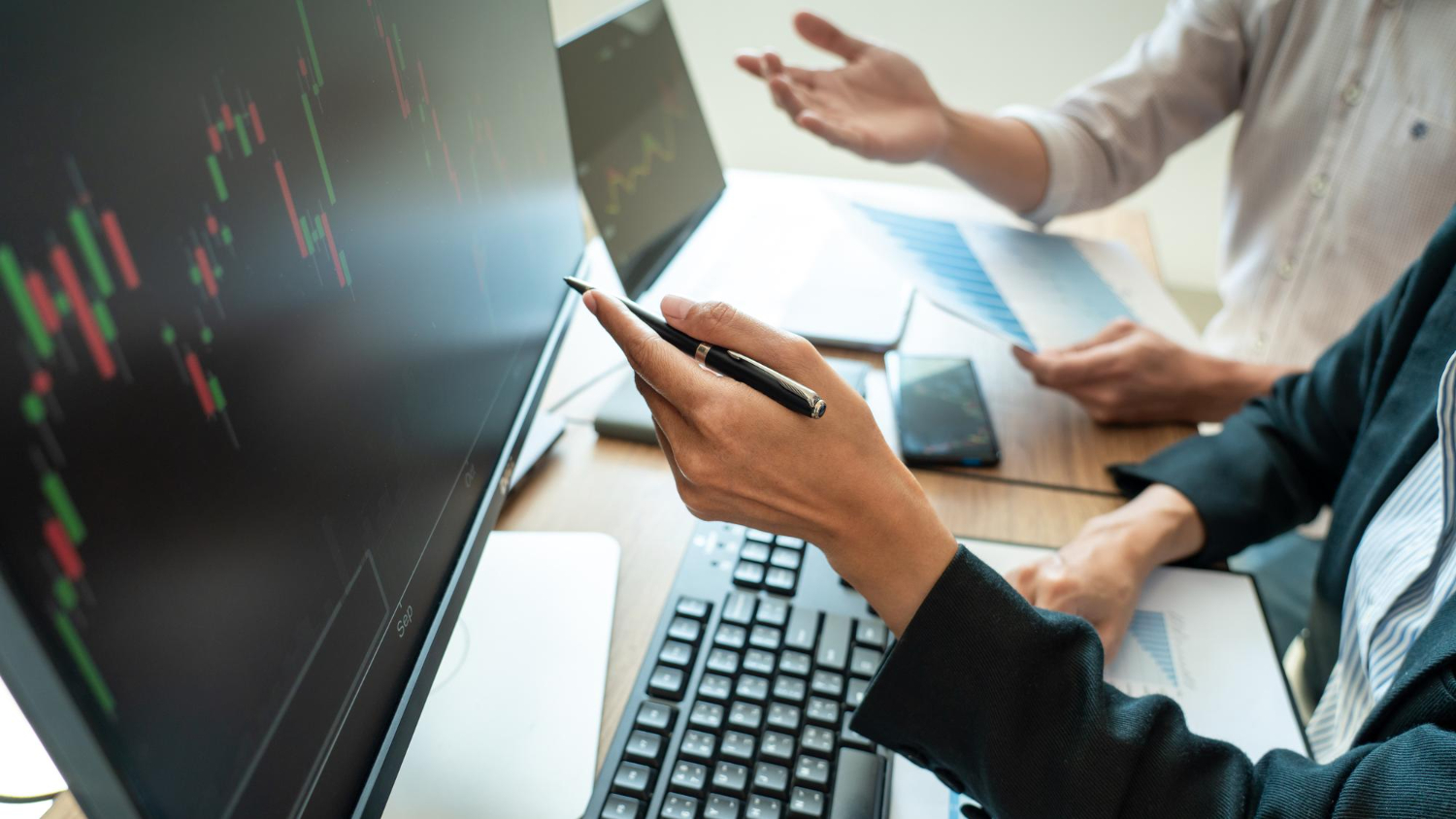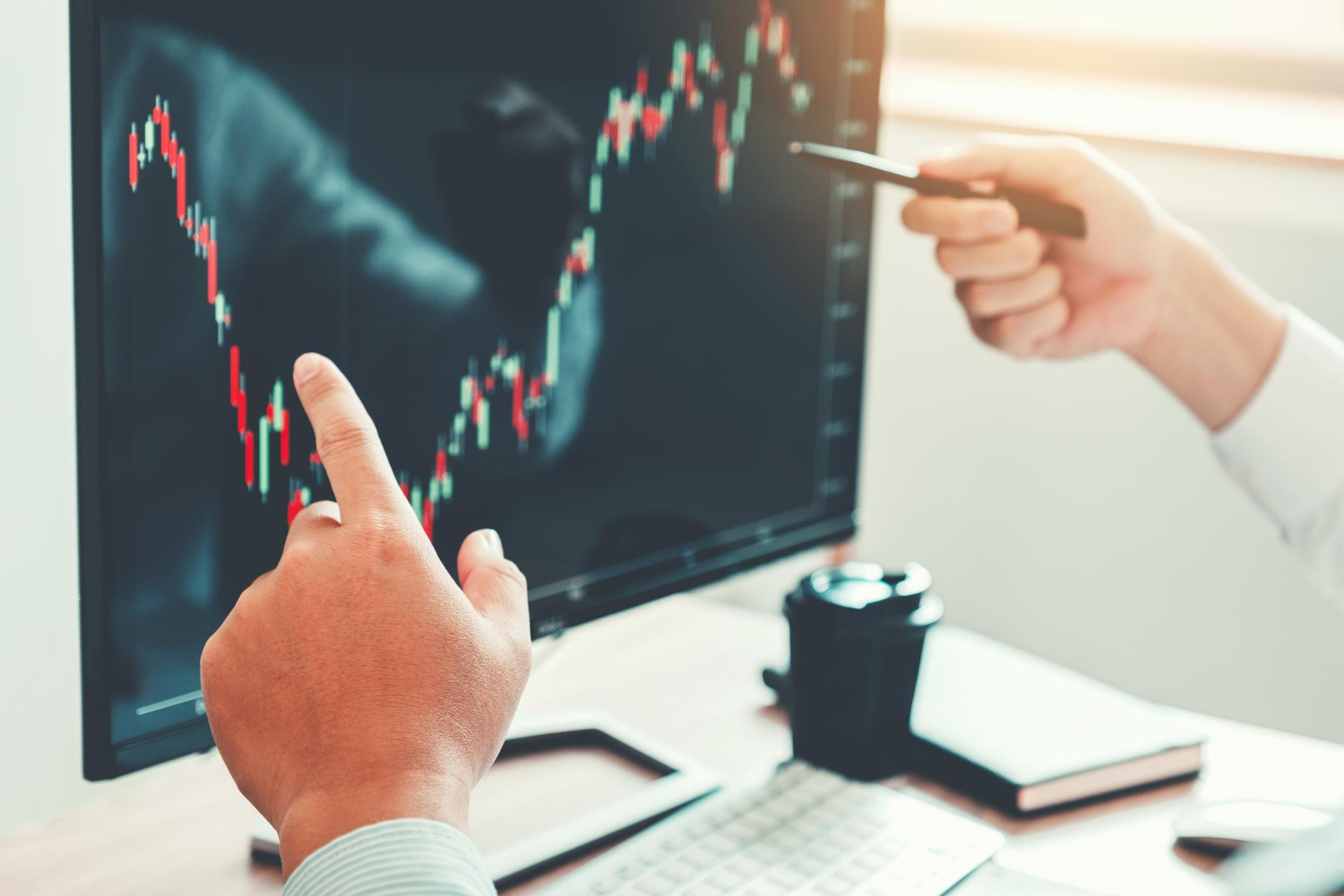
Forex trading has gained remarkable traction in Ghana over recent years, becoming a popular avenue for individuals looking to diversify their income. With advancements in technology and increased internet access, more Ghanaians are exploring the global currency market, drawn by its potential for high returns and flexibility.
Ghana’s growing interest in trading Forex is fuelled by a younger, tech-savvy population eager to leverage digital platforms. While the opportunities are enticing, navigating the Forex market requires knowledge, strategy and an understanding of the risks involved. Aspiring traders in Ghana are increasingly seeking resources and guidance to make informed decisions in this dynamic financial landscape.
Whether you’re a beginner or looking to refine your trading skills, understanding the essentials of Forex trading in Ghana is crucial for success.
Understanding Forex Trading In Ghana
Forex trading in Ghana involves the exchange of one currency for another to profit from changes in exchange rates. This market operates 24 hours a day due to its global nature, aligning with trading sessions in major financial hubs like London, New York, and Tokyo.
Regulatory Environment
The Ghana Securities and Exchange Commission (SEC) oversees Forex trading activities to protect investors from fraudulent schemes. Although Forex trading isn’t illegal, individuals engaging in it must ensure they’re working with licensed brokers. Unregulated brokers often pose significant risks, including potential financial losses.
Access to Trading Platforms
Mobile and desktop platforms, such as MetaTrader 4 and MetaTrader 5, provide Ghanaian traders with options for currency analysis and execution. Reliable internet connectivity is essential for using these platforms effectively. Many brokers also offer demo accounts for skill-building in a risk-free environment.
Popular Currency Pairs
Traders in Ghana frequently trade major currency pairs, including EUR/USD, GBP/USD, and USD/JPY. These pairs offer high liquidity, tighter spreads, and predictable price movements. Exotic pairs involving currencies from less liquid markets are also traded but carry higher risks.
Education and Skill Development
Local traders focus on enhancing their skills through online courses, webinars, and trading communities. Topics such as technical analysis, fundamental analysis, and risk management are widely explored. Institutions like the Ghana Investment and Securities Institute also provide formal training for aspiring traders.
Challenges in Forex Trading
Forex trading in Ghana faces challenges like fraud, limited access to physical training centres, and fluctuating internet connectivity. Traders mitigate these issues by using trusted brokers, joining verified online communities, and investing in reliable internet infrastructure.
By understanding the Forex market’s local dynamics, Ghanaian traders can effectively navigate its opportunities and risks.
The Basics Of Forex Trading
Forex trading involves buying and selling currencies to profit from fluctuations in exchange rates. Understanding fundamental concepts and the structure of the market is essential for effective participation.
Key Concepts And Terms
Several key terms form the foundation of Forex trading. Pip stands for “percentage in point” and represents the smallest price change for a currency pair, often 0.0001 for major pairs. Leverage refers to borrowed capital allowing traders to control larger positions with smaller investments, increasing both risk and potential returns. Margin is the deposit required to maintain a leveraged position. Spread denotes the difference between the bid (buy) and ask (sell) price set by brokers, which determines trading costs.
The lot size represents the quantity of the traded currency, commonly categorised as standard (100,000 units), mini (10,000 units), and micro (1,000 units). Familiarity with these terms helps traders evaluate risks and opportunities effectively.
Currency Pairs And Market Hours
Forex pairs fall into three categories. Major pairs, like EUR/USD and GBP/USD, involve the US dollar and exhibit high liquidity. Minor pairs, such as EUR/GBP, exclude the US dollar but retain active trading. Exotic pairs, like USD/ZAR, combine a major and an emerging-market currency, often showing higher volatility and lower liquidity.
The Forex market operates in four main sessions: Sydney, Tokyo, London, and New York. It remains active 24 hours daily from 9:00 PM Sunday GMT to 9:00 PM Friday GMT. London and New York overlap between 12:00 PM and 4:00 PM GMT, marking the most volatile and liquid trading period. Understanding peak trading times enables traders to align strategies with market activity.
Legal And Regulatory Environment For Forex Trading In Ghana
Forex trading in Ghana is governed by specific legal and regulatory frameworks designed to protect traders and maintain market integrity. Understanding this environment allows traders to operate within the law and manage risks effectively.
Is Forex Trading Legal In Ghana?
Forex trading is legal in Ghana under the supervision of regulatory authorities. Individuals and institutions can engage in Forex trading provided they adhere to the laws and required guidelines. The Ghana Securities and Exchange Commission (SEC) ensures that all Forex-related activities are conducted transparently and that brokers offering services within the country are appropriately licensed. However, unregulated trading activities remain prohibited and can result in penalties.
Key Regulatory Bodies And Requirements
The Ghana SEC is the primary authority overseeing Forex trading. Its mandate includes licensing brokers, monitoring their operations, and protecting traders from fraudulent practices. Brokers operating in Ghana must obtain a valid licence from the SEC to offer Forex trading services within the country.
Regulatory compliance requires brokers to maintain transparent fee structures, secure client funds with segregated accounts, and provide adequate educational support to traders. Traders using offshore brokers must verify the broker’s compliance with international regulations, as the SEC doesn’t extend protection to unregistered entities.
Choosing The Right Forex Broker In Ghana
Selecting a reliable Forex broker is essential for successful trading in Ghana. Traders must consider several factors and evaluate broker options carefully to ensure security and efficiency.
Factors To Consider
Regulation: Ensure the broker is licensed by the Ghana Securities and Exchange Commission (SEC). This protects traders from fraud and ensures compliance with local laws. For offshore brokers, verify adherence to international regulatory standards such as those from the FCA (UK) or CySEC (Cyprus).
Trading Platform: The platform should be user-friendly and support tools like charts, indicators, and automated strategies. Brokers offering MetaTrader 4 or 5 are preferred due to their reliable functionality and features.
Fees and Spreads: Brokers must provide transparent fee structures. Compare spreads, transaction fees, and other charges to avoid unexpected costs. Low spreads are ideal for frequent traders.
Deposit and Withdrawal Options: Opt for brokers offering local payment methods, including mobile money (MTN, AirtelTigo) and bank transfers, to simplify transactions. Check processing times and associated fees.
Customer Support: A broker must provide efficient and readily available support in case of issues. Consider brokers that offer 24/5 or 24/7 support through multiple channels like live chat, email, or calls.
Educational Support: Comprehensive training materials, webinars, and demo accounts are important, especially for beginners. Resources should align with the local trading environment.
Popular Brokers For Trading Forex In Ghana
XM: XM offers accounts with low minimum deposits and competitive spreads. It provides access to MetaTrader platforms, local payment options, and educational resources suitable for new and experienced traders.
Exness: Exness is known for its user-friendly platform, flexible account types, and commission-free trading options. It provides localised deposit methods and 24/7 customer support.
IC Markets: IC Markets features tight spreads and advanced trading tools. It supports MetaTrader 4 and 5, offering traders high execution speeds and access to diverse markets.
HotForex: HotForex provides varied account types to suit different trading needs. With robust security measures, multiple withdrawals options, and dedicated educational resources, it appeals to Ghanaian traders.
FXTM (ForexTime): FXTM delivers tailored services with a focus on African markets. It offers fast withdrawals via mobile money, low-entry barriers, and extensive learning materials.
Benefits And Challenges Of Trading Forex In Ghana
Trading Forex in Ghana offers diverse opportunities for financial growth but also involves navigating certain risks and challenges. Understanding both sides is key for traders to make effective decisions in this dynamic market.
Advantages Of Forex Trading
High Liquidity: The Forex market is the most liquid financial market globally, enabling traders in Ghana to execute trades quickly with minimal price fluctuation between buy and sell orders. Major currency pairs like EUR/USD and GBP/USD enhance accessibility for local traders.
Potential For High Returns: Forex trading offers the opportunity to earn significant profits by leveraging small investments to control larger positions. When combined with well-studied strategies, this can yield substantial outcomes.
Flexible Trading Hours: Because the Forex market operates 24 hours a day due to global time zones, Ghanaian traders can engage in trading activities at any time, aligning schedules with high-volume sessions like the London-New York overlap.
Access To Educational Resources: Widespread availability of webinars, online courses, and local training initiatives like those from the Ghana Investment and Securities Institute helps traders build their skills. Demo accounts and trading platforms such as MetaTrader 4 support hands-on learning.
Global Economic Awareness: Forex trading involves tracking global economic trends, which helps Ghanaian traders develop an understanding of international markets and improve their financial literacy.
Common Challenges And Risks
Volatility: Currency price movements can be unpredictable, leading to potential losses. Inexperienced traders may find it difficult to navigate significant market swings effectively.
Fraudulent Brokers: Unregulated brokers target uninformed traders, exploiting weak regulatory knowledge. The Ghana Securities and Exchange Commission stresses the need for traders to use licensed brokers.
Leverage Risks: Though leverage amplifies potential profits, it also increases potential losses. Mismanagement of leveraged positions can lead to rapid account depletion.
Limited Physical Training Facilities: Ghana’s limited access to extensive physical training centres leaves some traders reliant on online resources, which may not always provide robust, locally relevant guidance.
Internet Connectivity Issues: Unstable internet connections can disrupt trading, particularly during time-sensitive transactions in volatile markets. Reliable internet infrastructure is crucial for smooth Forex trading.
Psychological Strain: Forex trading requires discipline and risk management skills. Emotional trading, such as revenge trading after losses, often exacerbates financial difficulties for inexperienced traders.
By weighing these advantages and challenges, traders in Ghana can approach Forex trading with realistic expectations and informed strategies.
Strategies For Successful Forex Trading In Ghana
Forex trading in Ghana requires a precise approach, combining structured planning and disciplined execution to navigate the market’s complexities. Effective strategies minimise risks and maximise potential returns, fostering long-term profitability.
Developing A Trading Plan
A robust trading plan includes a clear structure for decision-making and ensures emotional discipline. Ghanaian traders benefit from defining specific trading goals, whether for steady income or capital growth. For example, setting daily or monthly profit targets based on realistic market conditions helps maintain focus.
Incorporating analytical methods such as technical and fundamental analysis enhances trade execution. Technical analysis involves interpreting price charts, indicators like moving averages, and candlesticks. Fundamental analysis considers economic factors like Ghana’s inflation rates, interest rate policies, and global events impacting currency performance. Combining these methods improves accuracy in identifying trading opportunities.
Choosing a suitable trading style aligned with lifestyle and market availability enhances effectiveness. Styles include scalping, which focuses on short bursts of trades, day trading for executing all trades within the same day, or swing trading for holding positions over several days. Ghanaian traders active during peak hours, such as the London-New York overlap, can optimize these strategies for higher liquidity.
Maintaining a trading journal tracks performance and identifies patterns. Detailed records of entry points, exit points, currency pairs, and trade outcomes provide insights into areas for improvement. Regular evaluation of this data allows traders in Ghana to refine their strategies over time.
Risk Management Tips
Risk management ensures sustained participation in the Forex market by preventing significant losses. Allocating only a portion of capital, such as 1–2% per trade, limits exposure and safeguards against unpredictable market movements.
Using stop-loss orders protects trades by automatically closing positions when prices reach predetermined levels. For example, a Ghanaian trader entering the EUR/USD pair can set a stop loss 30 pips below the entry price to prevent excessive loss due to adverse market movement.
Maintaining proper leverage enhances control over risk. Most regulated brokers in Ghana offer leverage ratios such as 1:30 for retail traders. Although leverage magnifies profits, it also amplifies losses, making conservative use critical.
Diversifying currency pairs mitigates risk by reducing dependence on a single market. Popular combinations like GBP/USD and USD/JPY offer high liquidity, while trading minor or exotic pairs requires understanding their unique risks.
Managing psychological factors helps traders avoid impulsive decisions. Techniques include setting predetermined trading hours, pausing after consecutive losses, and practising mindfulness. Experienced traders also recommend demo accounts for practising strategies without financial risk, fostering confidence in real-time decision-making.
Conclusion
Forex trading in Ghana presents a unique opportunity for individuals to grow their financial potential while navigating a dynamic global market. With proper education, strategic planning, and adherence to regulatory guidelines, traders can minimise risks and maximise returns.
Choosing the right broker, staying informed about market trends, and practising disciplined risk management are essential for long-term success. As the Forex market continues to evolve, Ghanaian traders who stay proactive and resourceful will be better positioned to achieve their trading goals.